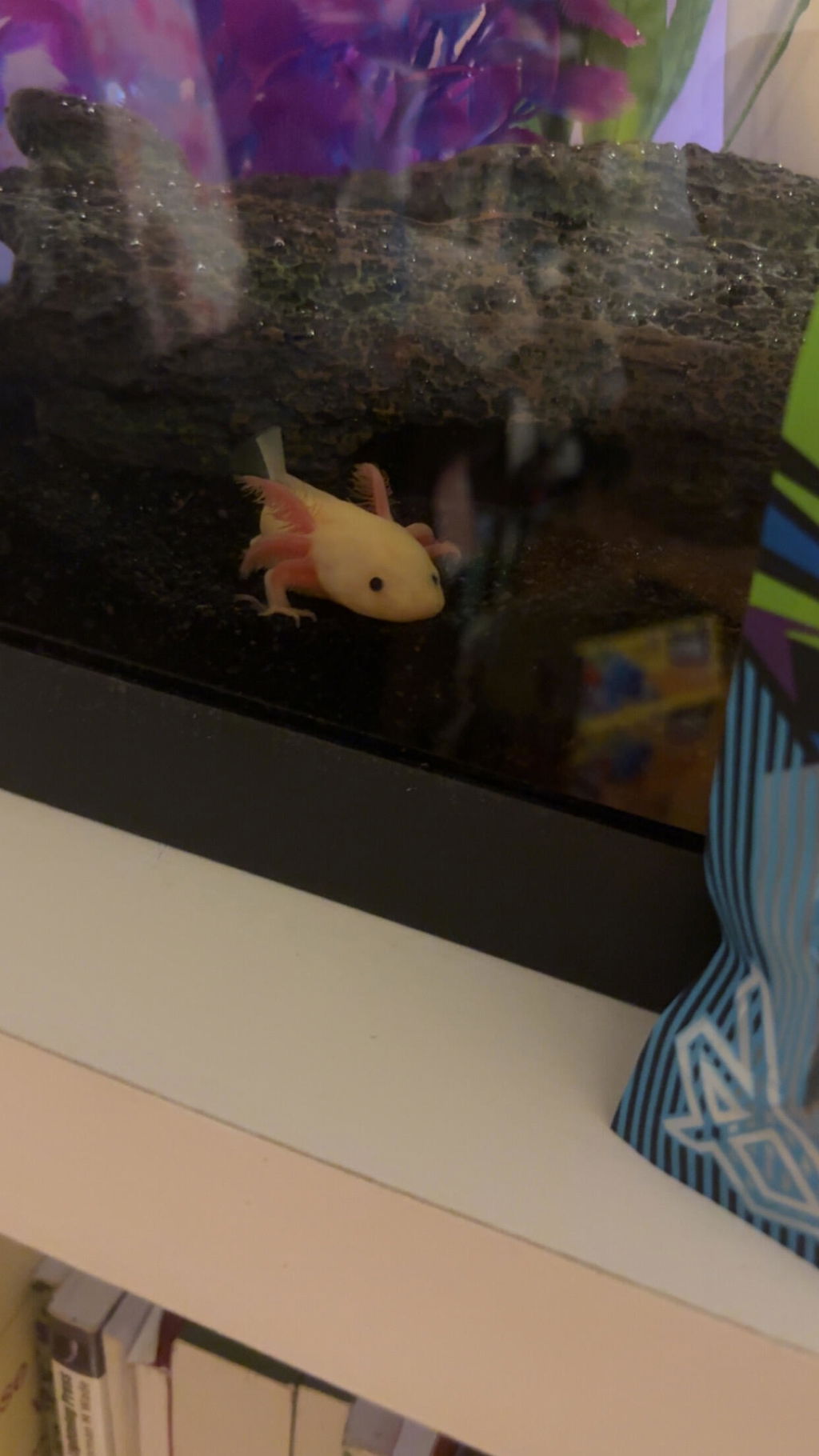
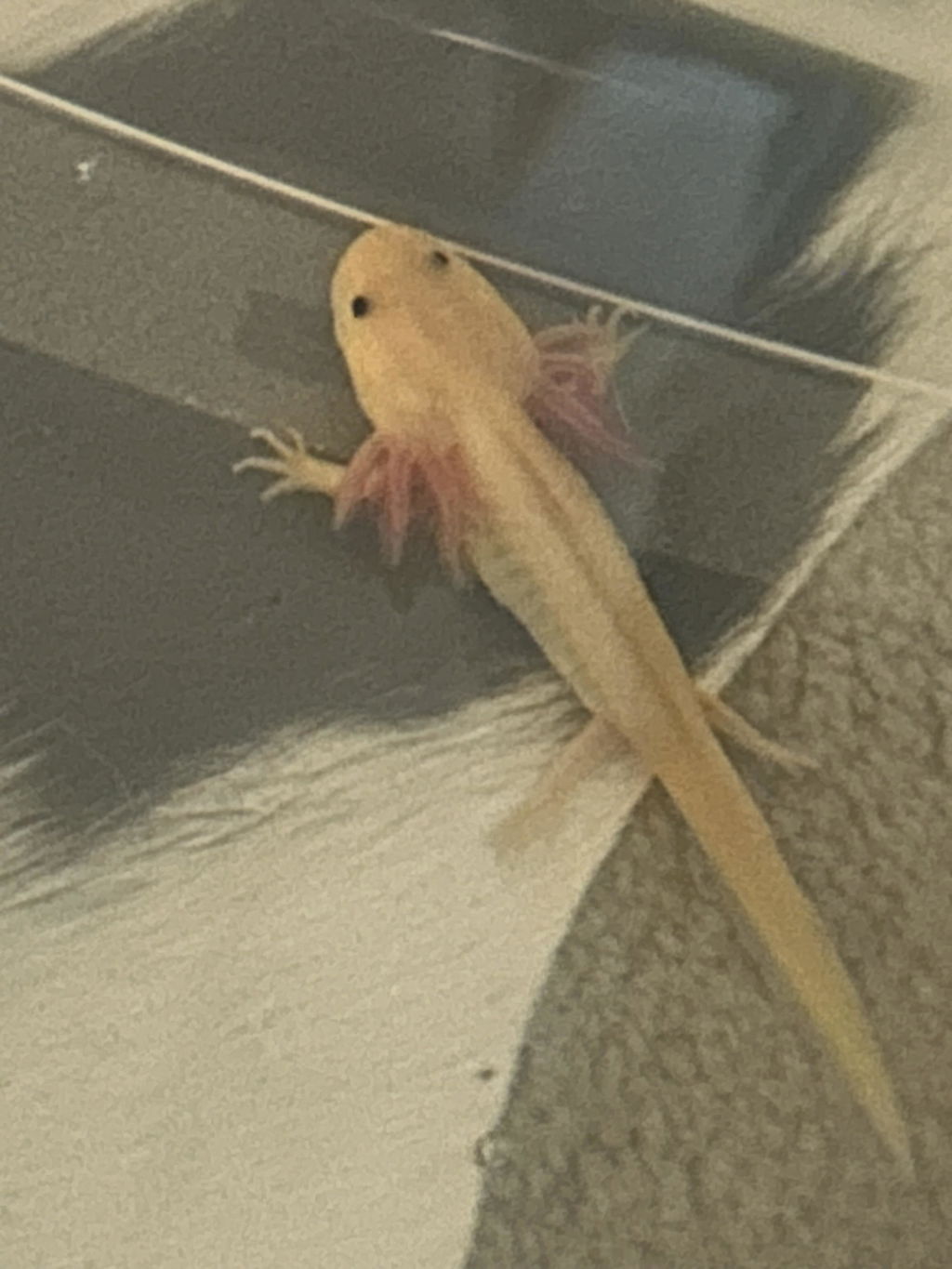
Axolotls are carnivores. A varied diet built around appropriately sized animal-based foods can help support healthy growth and feeding behavior.
What do axolotls eat?
Common foods used for captive axolotls include:
- Earthworms and nightcrawlers – commonly used as a staple for larger juveniles and adults. Shop live nightcrawlers.
- Live blackworms – a useful live food for juveniles, selective eaters, and owners who want to encourage natural hunting behavior. Shop live blackworms.
- Axolotl pellets – a convenient prepared food when sized appropriately.
- Bloodworms – often used as part of a varied diet rather than the only food offered.
You can also browse our axolotl food collection for current food options.
The most important feeding rule
Do not offer food that is too large for your axolotl to swallow comfortably. Large earthworms can be cut into smaller pieces. If your axolotl repeatedly spits food out or struggles to swallow it, remove the food and offer a smaller portion.
How often should you feed an axolotl?
Feeding frequency depends on age, size, temperature, activity level, and body condition. Young axolotls generally eat more frequently than adults. Rather than relying only on a rigid schedule, watch body condition and adjust portions as needed.
Live blackworms for axolotls
Live blackworms (Lumbriculus variegatus) are small aquatic worms that can be especially useful for juveniles and selective eaters. Their movement encourages natural feeding behavior.
Keep purchased blackworms cold in clean, dechlorinated water, rinse them before feeding, and remove uneaten worms or debris as needed to protect water quality. Do not add shipping water to the aquarium.
For detailed storage and feeding guidance, read our live blackworms for axolotls guide.
Watch your axolotl while it eats
Feeding time is a good opportunity to monitor appetite and behavior. Remove uneaten food so it does not break down in the aquarium and affect water quality.
What should axolotls not eat?
Avoid foods that are too large, spoiled, contaminated, difficult to digest, or collected from places where they may have been exposed to pesticides or other contaminants.
More axolotl care help
Food is only one part of successful axolotl care. Review our complete axolotl care guide for water temperature, cycling, filtration, and general husbandry guidance.