Copper Axolotls For Sale
About Copper Axolotls
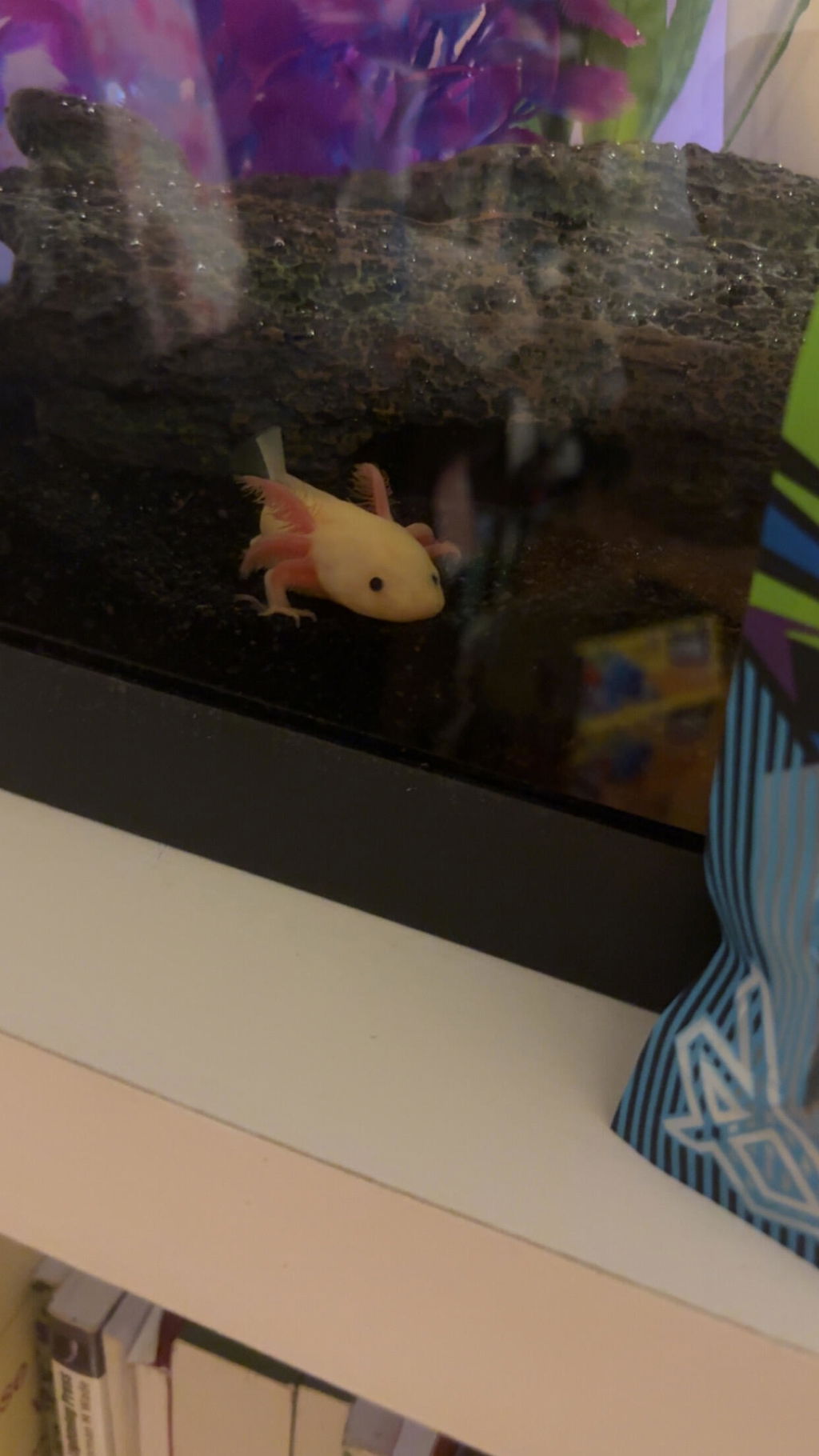
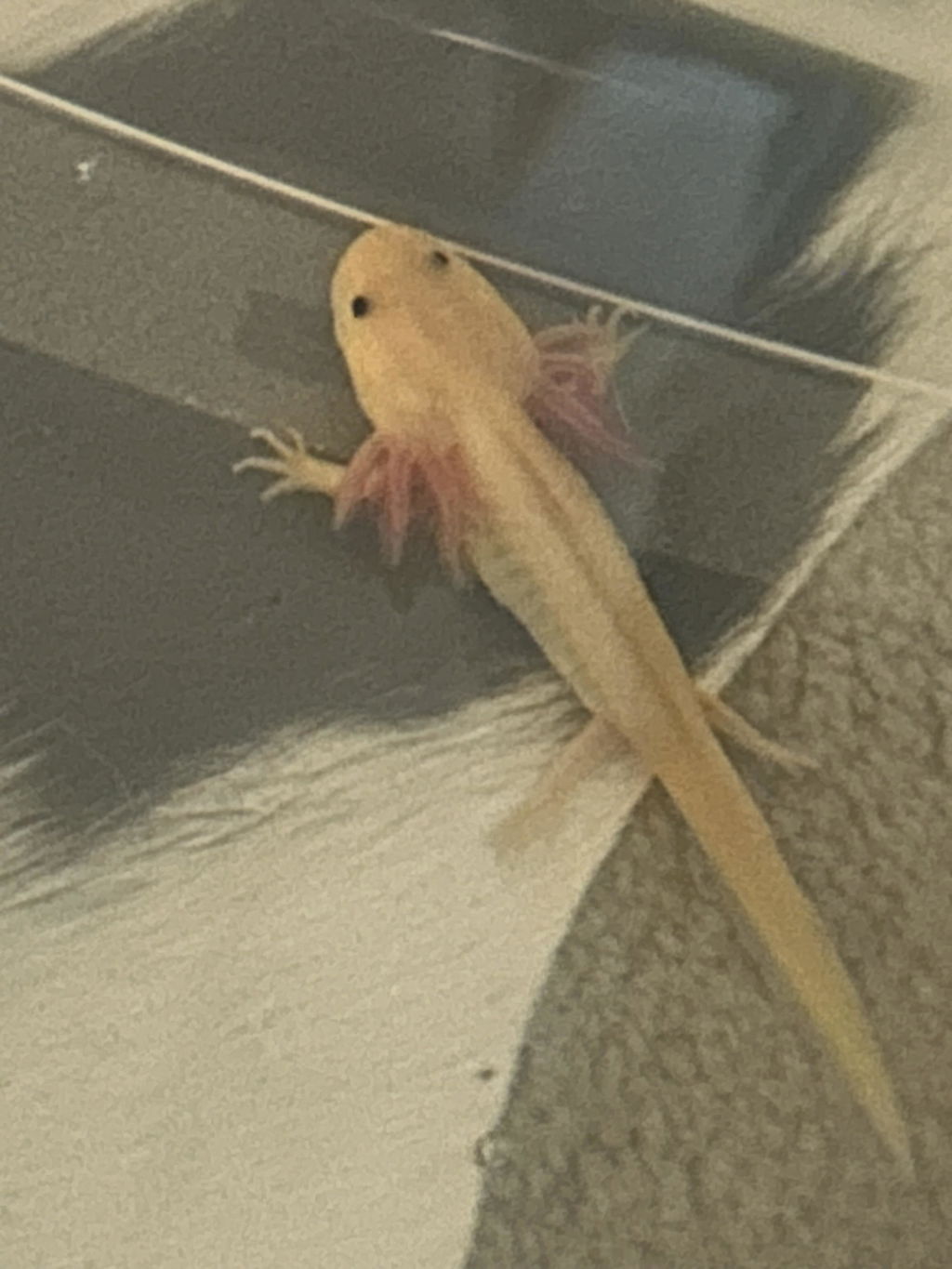
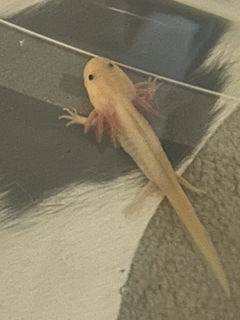
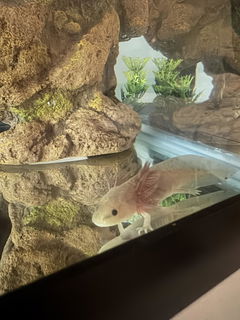
Copper Axolotls are among the rarest and most attractive axolotl morphs available in the hobby. Their rich copper-toned coloration results from a unique combination of recessive genetic traits that produce warm metallic hues not seen in other axolotl varieties.
Unlike leucistic or albino morphs, Copper Axolotls display distinctive bronze and reddish-brown tones that often intensify as they mature.
Appearance and Coloration
Copper Axolotls commonly exhibit:
- Warm copper or bronze body coloration
- Metallic sheen across the skin
- Reddish-brown or copper-colored spots
- Light-colored eyes
- Pink to red external gills
- Gold iridophores that create reflective highlights
Individual coloration can vary depending on genetics, age, and environmental conditions, making each Copper Axolotl unique.
Understanding Copper Genetics
Copper Axolotls are produced through a specific combination of recessive genes. The copper trait alters pigment development, creating the characteristic metallic bronze appearance that distinguishes this morph from other axolotl varieties.
Because the genetics required to produce Copper Axolotls are relatively uncommon, they remain one of the rarer morphs in the hobby.
Unique Traits
Copper Axolotls are valued for:
- Rare genetic background
- Metallic copper coloration
- Collector appeal
- Distinctive appearance
- Strong visual presence in aquariums
Their warm coloration creates a dramatic contrast against natural substrates and planted aquarium environments.
Why Choose a Copper Axolotl?
Copper Axolotls offer a combination of rarity, beauty, and fascinating genetics that appeal to hobbyists of all experience levels.
One of the Rarest Axolotl Morphs
Many axolotl enthusiasts seek out Copper Axolotls because of their relative rarity compared to more common morphs.
Their unique genetics make them especially desirable among:
- Axolotl collectors
- Morph enthusiasts
- Breeders
- Exotic pet hobbyists
Stunning Metallic Coloration
The warm bronze and copper tones found in this morph create a truly distinctive appearance.
Unlike brighter morphs, Copper Axolotls offer a more natural yet highly sophisticated look that stands out in display aquariums.
Suitable for Beginners
Despite their rarity, Copper Axolotls require the same basic husbandry as other axolotl morphs.
Owners who maintain proper water quality and husbandry standards can successfully care for Copper Axolotls regardless of experience level.
Excellent Display Animals
Their reflective pigmentation and unique coloration make Copper Axolotls a favorite for showcase aquariums and specialty collections.
Caring for Your Copper Axolotl
Providing appropriate husbandry is essential for maintaining the health and coloration of your Copper Axolotl.
Tank Requirements
Adult Copper Axolotls should be housed in:
- Minimum 20-gallon long aquarium
- Secure lid
- Gentle filtration
- Low-flow environment
- Ample floor space
Larger aquariums provide greater stability and room for growth.
Water Parameters
Water quality is one of the most important aspects of axolotl care.
Recommended parameters:
- Ammonia: 0 ppm
- Nitrite: 0 ppm
- Nitrate: Below 20 ppm
- pH: 6.5–8.0
- Fully cycled aquarium
Routine testing helps prevent stress and illness.
Temperature Requirements
Copper Axolotls thrive in cool water conditions.
Ideal temperature range:
Temperatures above 72°F should be avoided whenever possible.
Feeding Recommendations
Copper Axolotls are carnivorous and require a protein-rich diet.
Recommended foods include:
- Earthworms
- Nightcrawlers
- Axolotl pellets
- Blackworms
- Occasional bloodworms
A balanced feeding schedule supports healthy growth and vibrant coloration.
Routine Maintenance
Good husbandry includes:
- Regular water changes
- Consistent water testing
- Prompt removal of uneaten food
- Filter maintenance
- Observation of appetite and behavior
Preventative care helps maintain long-term health.
What Makes Our Axolotls Different?
Purchasing a healthy axolotl begins with choosing a reputable breeder committed to quality and animal welfare.
Responsible Breeding Practices
Our breeding program focuses on:
- Strong genetic diversity
- Healthy bloodlines
- Proper development
- Ethical breeding standards
Every axolotl receives individualized care throughout its development.
Health-Focused Husbandry
We maintain strict husbandry standards that include:
- Clean aquatic environments
- Proper nutrition
- Stable water conditions
- Routine health monitoring
Only healthy animals are offered for sale.
Ethical Animal Care
Animal welfare remains our top priority.
Our practices emphasize:
- Responsible breeding
- Humane housing
- Appropriate stocking densities
- Stress reduction
Safe Live Animal Shipping
Live amphibian shipping requires specialized preparation.
We carefully manage:
- Weather monitoring
- Transit timing
- Secure packaging
- Temperature protection when necessary
Our goal is to ensure every axolotl arrives healthy and ready to acclimate.
Ongoing Customer Support
We provide ongoing assistance regarding:
- Tank setup
- Feeding schedules
- Water quality management
- Acclimation procedures
- General husbandry questions
Our support helps customers provide the best possible care.
Copper Axolotl Facts
Copper Axolotls are fascinating amphibians with unique genetic and biological characteristics.
Copper Is One of the Rarest Morphs
The genetics required to produce Copper Axolotls are less common than those found in many other popular morphs.
This rarity contributes to their desirability among collectors.
Coloration Changes with Age
Many Copper Axolotls develop richer bronze and metallic tones as they mature.
Juveniles often display lighter coloration that deepens over time.
Scientific Classification
- Scientific Name: Ambystoma mexicanum
- Family: Ambystomatidae
- Native Origin: Lake Xochimilco, Mexico
Long Lifespan
With proper care, Copper Axolotls commonly live:
- 10–15 years
- Occasionally longer under optimal conditions
Consistent husbandry plays a major role in longevity.
Remarkable Regenerative Abilities
Like all axolotls, Copper Axolotls can regenerate:
- Limbs
- Tail tissue
- Spinal cord tissue
- Portions of internal organs
This regenerative capability continues to make axolotls important subjects in scientific research.
Critically Endangered in the Wild
Although captive-bred axolotls are common in the hobby, wild axolotl populations remain critically endangered due to habitat loss and environmental challenges.
Responsible captive breeding helps promote awareness and appreciation of this extraordinary species.
Shop Healthy Copper Axolotls
If you're searching for Copper Axolotls for sale, choosing healthy, ethically bred animals is essential.
Our captive-bred Copper Axolotls are raised with a commitment to health, genetics, and responsible husbandry. Whether you're seeking a rare collector morph or your first axolotl companion, you'll receive a healthy animal backed by knowledgeable support and ethical breeding practices.
Browse our available Copper Axolotls today and discover why this beautiful bronze-colored morph remains one of the most desirable axolotl varieties in the hobby.