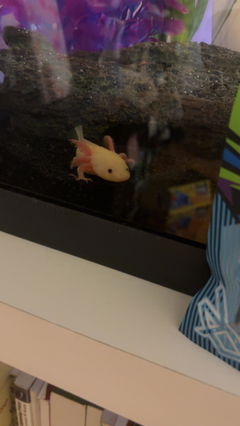
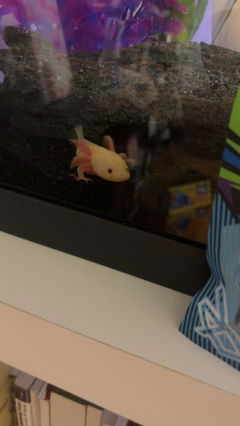
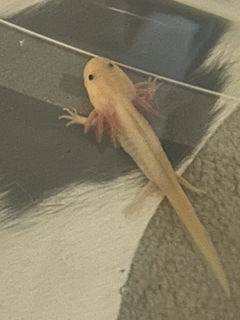
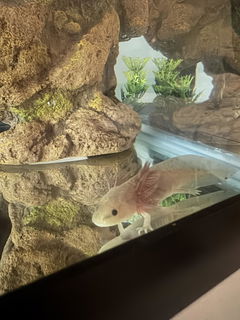
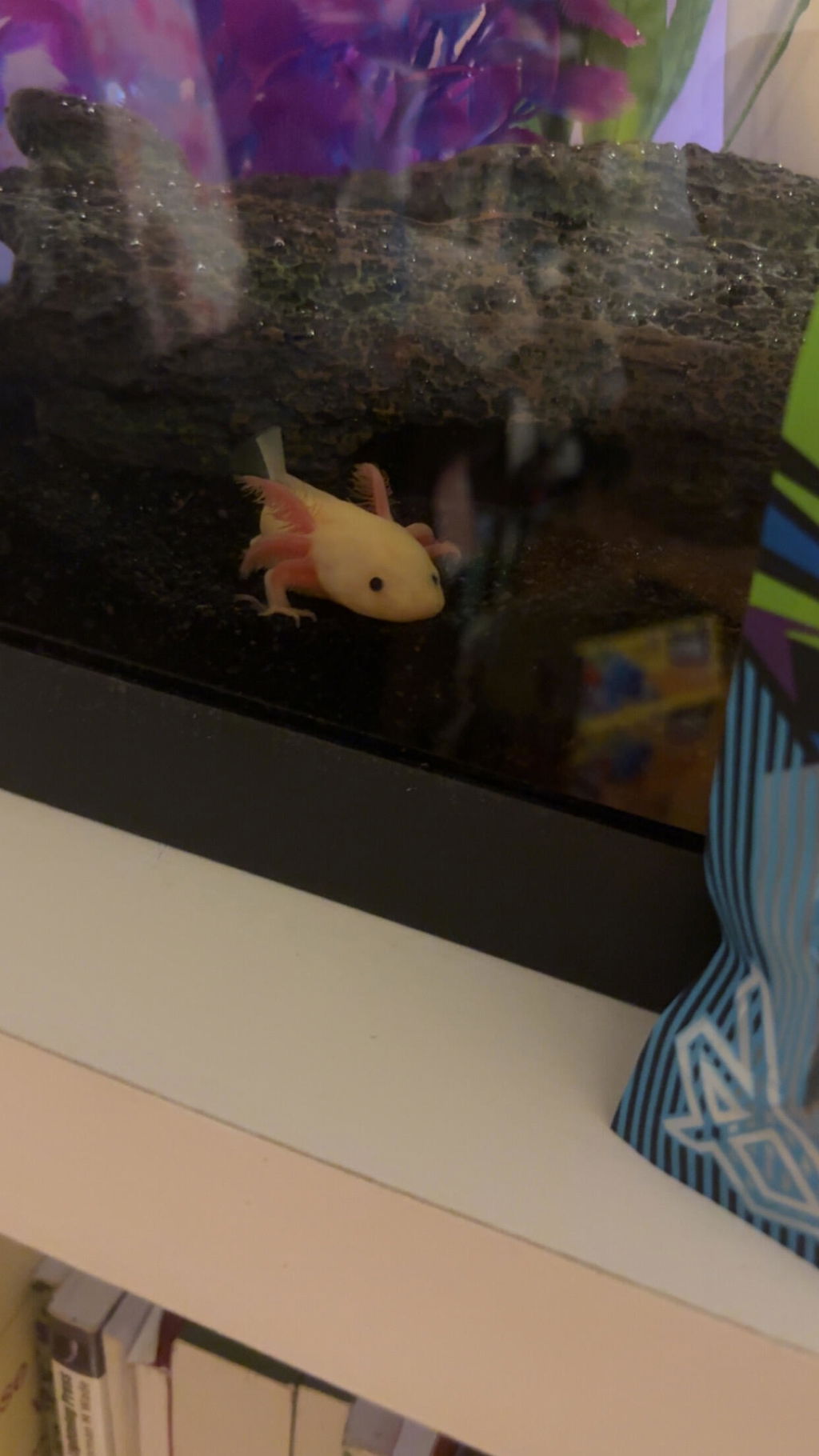
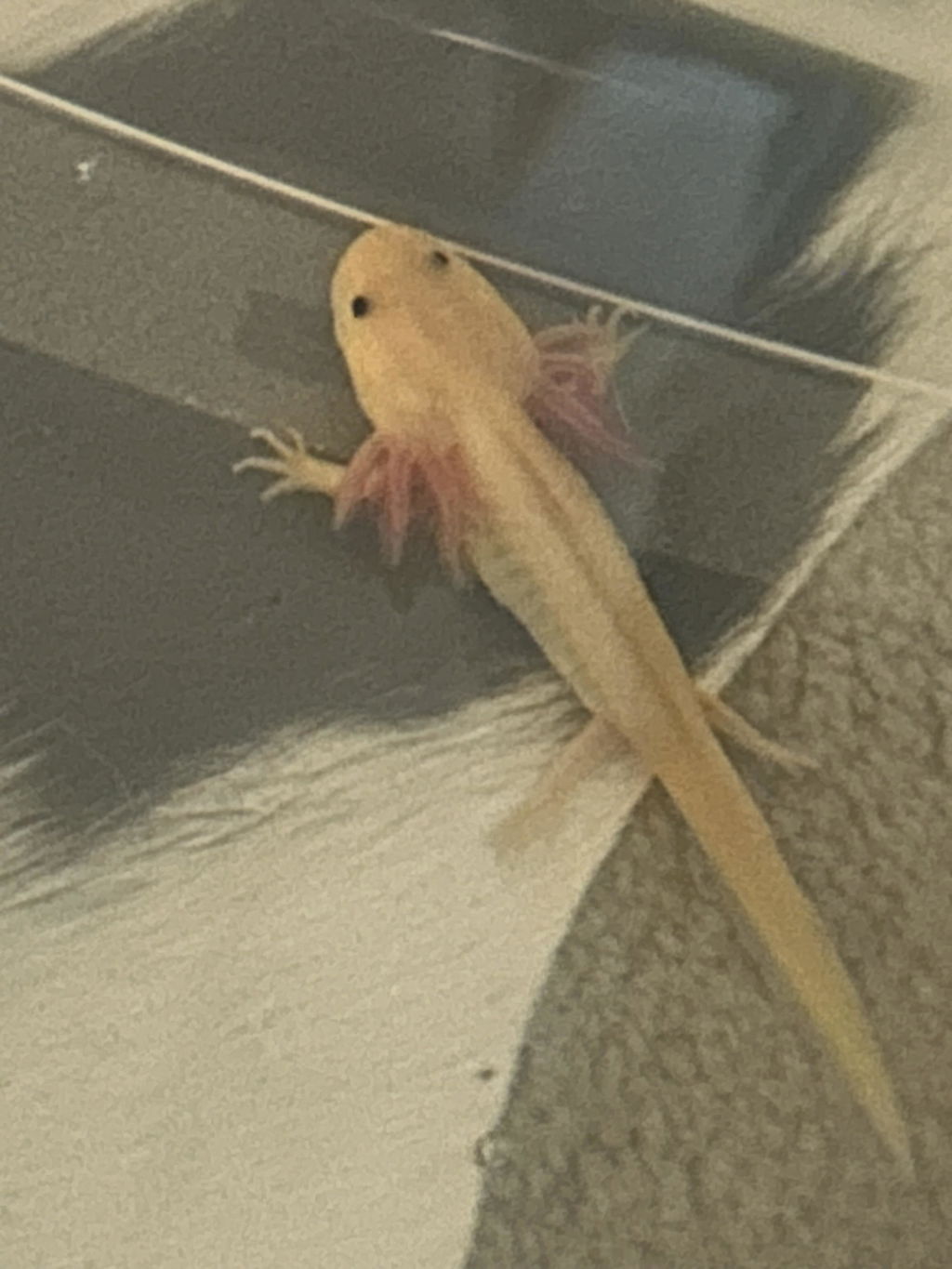
Leucistic Axolotl "Classic Pink Axolotl"

Leucistic Axolotl "Classic Pink Axolotl"

Skip to results list

Filters

2 items
Column grid

Active filters:

Availability
Price
to
The highest price is $89.99
Column grid

Filter

Active filters:

Availability
Price
to
The highest price is $89.99

    Leucistic Pink Axolotls are stunning aquatic salamanders and are among the most recognizable and sought-after axolotl morphs thanks to their soft pink coloration, feathery external gills, and friendly appearance. Popular with both first-time keepers and experienced amphibian enthusiasts, Classic Pink Axolotls offer a unique combination of beauty, personality, and relatively straightforward care requirements.

    Whether you're starting your first axolotl aquarium or expanding your collection, our healthy, captive-bred Classic Pink Axolotls are raised with exceptional care and attention to quality. Browse our available axolotls below to find the perfect new aquatic companion for your home aquarium.

  • GFP Leucistic or "Glowing" Axolotl

    GFP Leucistic or "Glowing" Axolotl

    GFP Leucistic or "Glowing" Axolotl

    $75.00
    Sale price  $75.00 Regular price 
  • Leucistic Axolotl or "Classic Pink Axolotl"

    Leucistic Axolotl or "Classic Pink Axolotl"

    Leucistic Axolotl or "Classic Pink Axolotl"

    $89.99
    Sale price  $89.99 Regular price 

Classic Pink Axolotls For Sale

About Classic Pink Axolotls

Classic Pink Axolotls are one of the most iconic and beloved axolotl morphs available in the exotic pet trade. Their gentle pink or pale white bodies, vibrant external gills, and perpetual "smiling" expression make them an instant favorite among amphibian enthusiasts worldwide.

Unlike darker wild-type axolotls, Classic Pink Axolotls exhibit a lighter appearance due to reduced pigmentation. Most Classic Pink Axolotls are leucistic, a genetic trait that results in a pale body while retaining dark eyes. This creates a striking contrast that many hobbyists find especially attractive.

Appearance and Coloration

Classic Pink Axolotls typically display:

  • Soft pink, white, or pale cream-colored bodies
  • Bright pink or red feathery gills
  • Dark black eyes
  • Smooth skin texture
  • Distinctive external gill stalks
  • Broad heads and wide mouths

Their coloration may vary slightly depending on age, genetics, diet, and environmental conditions.

Genetics Behind the Morph

Most Classic Pink Axolotls are produced through leucistic genetics. Leucism reduces pigmentation throughout the body while maintaining normal eye coloration. This differs from albino axolotls, which lack melanin entirely and often display red or pink eyes.

Responsible breeding programs carefully select healthy parent stock to maintain strong genetics, proper development, and desirable coloration while minimizing hereditary issues.

Unique Traits

Classic Pink Axolotls are known for:

  • Exceptional visibility in aquarium displays
  • Calm and curious behavior
  • Unique regenerative abilities
  • Distinctive feather-like gills
  • Easy identification compared to darker morphs

These traits contribute to their enduring popularity among hobbyists and collectors.

Why Choose a Classic Pink Axolotl?

Classic Pink Axolotls have remained one of the most popular morphs for good reason. Their unique appearance and manageable care requirements make them an excellent choice for many aquatic pet owners.

Ideal for Beginners

Many new axolotl keepers choose Classic Pink Axolotls because:

  • They are easy to observe due to their light coloration
  • Their health condition is often easier to monitor visually
  • Their husbandry requirements are well documented
  • They adapt well to properly maintained aquariums

Popular Among Experienced Keepers

Experienced enthusiasts appreciate Classic Pink Axolotls because they:

  • Showcase beautifully in planted or natural aquariums
  • Possess strong visual appeal
  • Pair well with specialized display tanks
  • Represent one of the classic axolotl morphs

Gentle Personality

While every axolotl has its own temperament, many owners describe Classic Pink Axolotls as:

  • Curious
  • Relaxed
  • Interactive during feeding
  • Entertaining to observe

Their calm nature makes them fascinating pets for people seeking a unique aquatic animal.

Stunning Aquarium Presence

The contrast between their pale bodies and vibrant gills creates a striking display that stands out in nearly any aquarium setup.

Caring for Your Classic Pink Axolotl

Providing proper care is essential for maintaining your axolotl's health and longevity.

Tank Requirements

Adult Classic Pink Axolotls should be housed in an aquarium that provides ample space for movement and growth.

Recommended minimum setup:

  • 20-gallon long aquarium for one adult
  • Additional space for multiple axolotls
  • Secure lid
  • Gentle filtration
  • Low water flow

Axolotls generally prefer floor space over tank height.

Water Parameters

Maintaining stable water quality is one of the most important aspects of axolotl care.

Recommended parameters:

  • Ammonia: 0 ppm
  • Nitrite: 0 ppm
  • Nitrate: Under 20 ppm
  • pH: 6.5–8.0
  • Stable nitrogen cycle

Regular testing helps ensure a healthy aquatic environment.

Temperature Requirements

Axolotls are cold-water amphibians.

Ideal temperature range:

  • 60°F–68°F (16°C–20°C)

Prolonged exposure to temperatures above 72°F may cause stress and increase health risks.

Feeding Recommendations

Classic Pink Axolotls are carnivorous.

Common food options include:

  • Earthworms
  • Nightcrawlers
  • Axolotl pellets
  • Blackworms
  • Bloodworms (occasional treats)

Young axolotls require more frequent feeding than adults.

Routine Maintenance

To maintain optimal conditions:

  • Perform regular water changes
  • Remove uneaten food promptly
  • Monitor filtration performance
  • Test water parameters routinely
  • Inspect your axolotl for signs of stress or illness

Consistent care contributes significantly to long-term health.

What Makes Our Axolotls Different?

Choosing a reputable breeder matters when purchasing any live animal.

Experienced Breeding Practices

Our breeding program focuses on:

  • Healthy bloodlines
  • Strong genetics
  • Proper nutrition
  • Responsible breeding standards

Every axolotl is raised in conditions designed to support healthy growth and development.

Health-Focused Husbandry

We prioritize:

  • Clean water conditions
  • Appropriate stocking densities
  • Balanced nutrition
  • Careful health monitoring

Only healthy axolotls are offered for sale.

Ethical Breeding Standards

We believe responsible breeding contributes to the long-term wellbeing of captive axolotl populations.

Our practices emphasize:

  • Animal welfare
  • Genetic diversity
  • Proper housing
  • Stress reduction

Safe Live Animal Shipping

Shipping live amphibians requires specialized procedures.

We carefully prepare each shipment using:

  • Weather monitoring
  • Secure packaging
  • Insulated containers when necessary
  • Appropriate transit scheduling

Our goal is to ensure your axolotl arrives safely and in excellent condition.

Ongoing Customer Support

We are committed to helping customers succeed.

Our team provides guidance on:

  • Tank setup
  • Feeding
  • Water quality
  • Acclimation procedures
  • General axolotl care

We believe informed owners create healthier environments for their pets.

Classic Pink Axolotl Facts

Classic Pink Axolotls are fascinating animals with remarkable biological characteristics.

They Remain Aquatic for Life

Unlike many amphibians, axolotls typically retain their larval features throughout adulthood, a condition known as neoteny.

Incredible Regeneration

Axolotls are famous for their ability to regenerate:

  • Limbs
  • Tail tissue
  • Spinal cord tissue
  • Portions of internal organs

Scientists continue studying these abilities for regenerative medicine research.

Scientific Classification

  • Scientific Name: Ambystoma mexicanum
  • Family: Ambystomatidae
  • Native Range: Historically Lake Xochimilco, Mexico

Long Lifespan

With proper care, captive axolotls commonly live:

  • 10–15 years
  • Occasionally longer under optimal conditions

Conservation Importance

Wild axolotl populations are critically endangered due to habitat loss and environmental pressures. Responsible captive breeding helps maintain healthy populations within the hobby while promoting awareness of conservation efforts.

Shop Healthy Classic Pink Axolotls

When searching for Classic Pink Axolotls for sale, quality and animal welfare should always come first.

Our captive-bred Classic Pink Axolotls are raised with a strong focus on health, genetics, and proper husbandry. Whether you're purchasing your first axolotl or adding another beautiful specimen to your collection, we're committed to providing healthy animals and reliable support throughout your ownership journey.

Browse our available Classic Pink Axolotls today and discover why this timeless morph remains one of the most popular choices among axolotl enthusiasts.

1. What is a Classic Pink axolotl?

A Classic Pink Axolotl is typically a leucistic axolotl characterized by a pale pink or white body, dark eyes, and bright feathery gills. This coloration results from a genetic reduction in pigmentation while maintaining normal eye color. Classic Pink Axolotls are among the most recognizable and popular morphs available due to their striking appearance and beginner-friendly care requirements.

2. How large do Classic Pink axolotls get?

Most adult Classic Pink Axolotls reach between 8 and 12 inches in length, although some individuals may grow larger under ideal conditions. Growth rates vary depending on genetics, diet, water quality, and overall husbandry. Juveniles typically grow rapidly during their first year before reaching adult size.

3. Are Classic Pink axolotls good for beginners?

Yes. Classic Pink Axolotls are often recommended for beginners because their care requirements are well established and relatively straightforward. New keepers who maintain proper water quality, stable temperatures, and a suitable diet can successfully care for these fascinating amphibians.

4. What do Classic Pink axolotls eat?

Classic Pink Axolotls are carnivores. Their diet commonly includes earthworms, nightcrawlers, axolotl pellets, blackworms, and occasional treats such as bloodworms. High-quality protein sources support healthy growth, strong gill development, and overall wellbeing.

5. How long do Classic Pink axolotls live?

With proper husbandry, Classic Pink Axolotls typically live between 10 and 15 years in captivity. Factors such as water quality, temperature management, nutrition, and genetics all play important roles in lifespan.

6. What tank size do they need?

A minimum 20-gallon long aquarium is generally recommended for a single adult axolotl. Larger tanks provide additional stability and swimming space. Multiple axolotls require increased floor space and careful monitoring of compatibility.

7. Can they live with other axolotls?

In many cases, similarly sized axolotls can be housed together if adequate space is provided. However, differences in size may increase the risk of nipping or injury. Careful observation and proper tank management are essential when keeping multiple axolotls together.

8. How are live axolotls shipped safely?

Live axolotls are shipped using specialized packaging designed to maintain stable temperatures and minimize stress during transit. Reputable breeders monitor weather conditions, use insulated materials when necessary, and carefully schedule shipments to promote safe arrival and animal welfare.