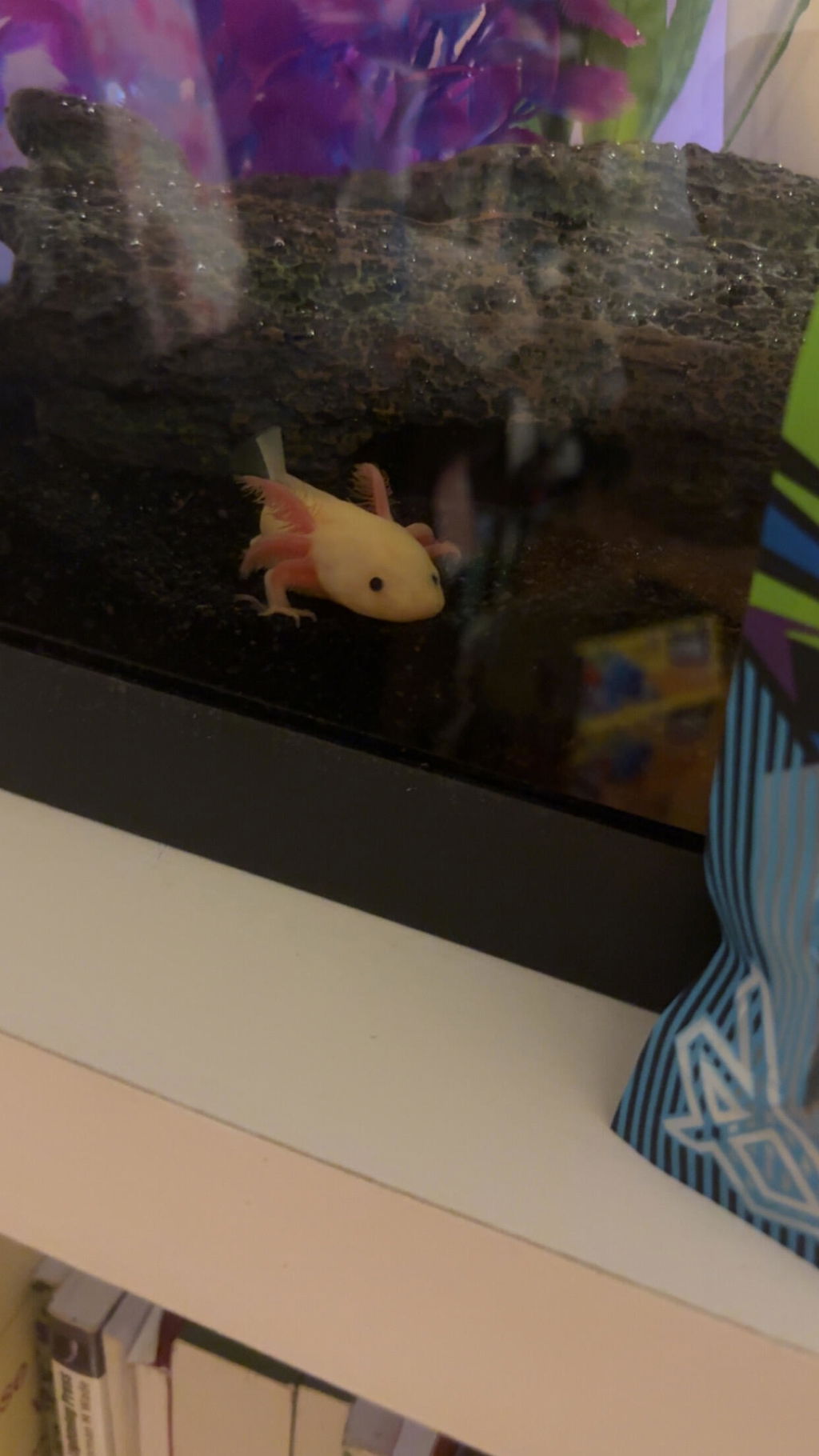
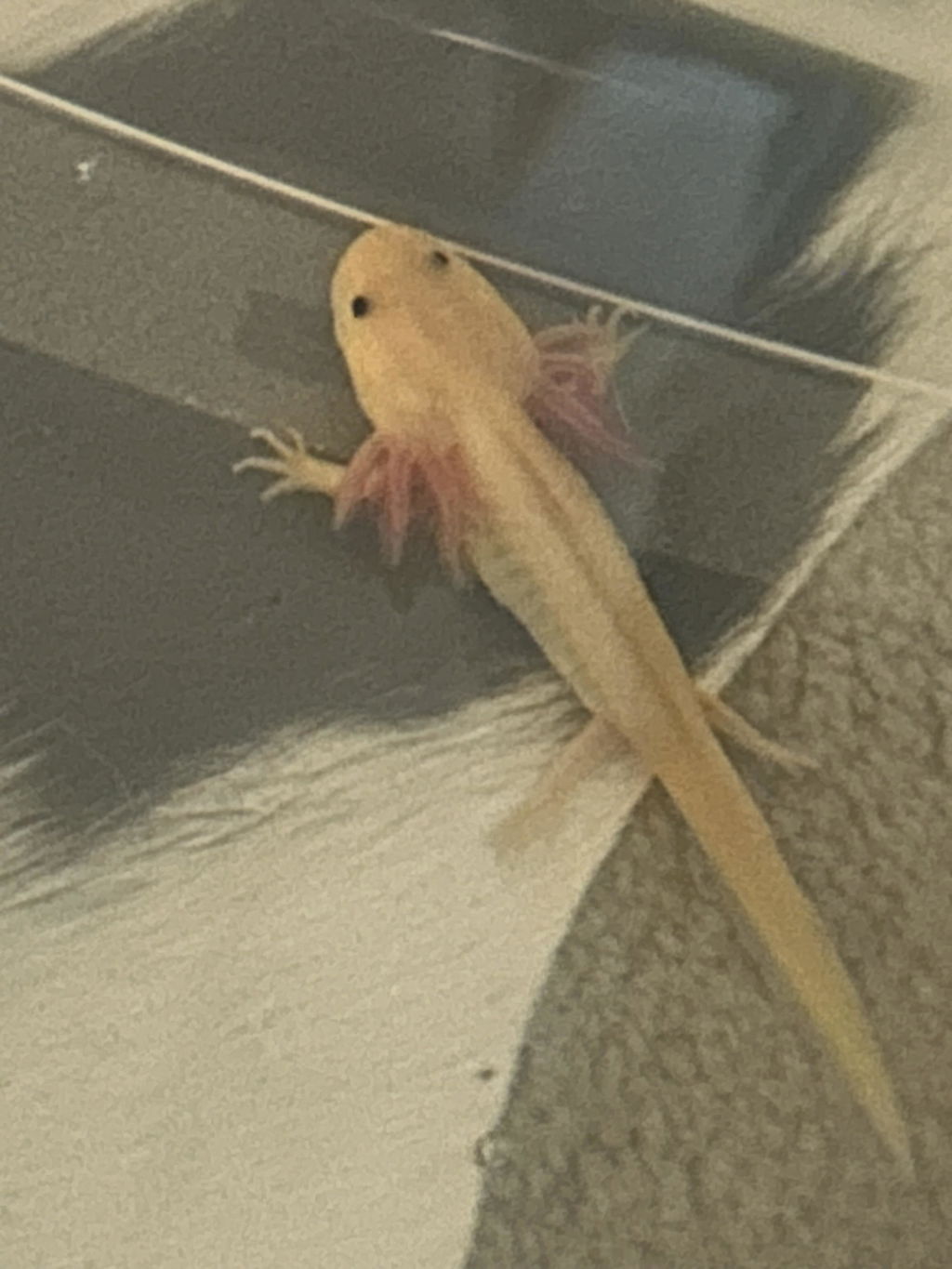
Axolotls are cold-water amphibians, and stable temperature is one of the most important parts of long-term care. Warm water increases stress and can make water-quality problems harder to manage.
What temperature should an axolotl tank be?
The Ambystoma Genetic Stock Center reports maintaining axolotls at about 60–65°F (15–18°C) and advises that they should not be kept above about 72°F (22°C). The goal is not just a low number—it is a cool, stable environment without large daily swings.
Is 70°F too warm for an axolotl?
Short periods near 70°F are not the same as prolonged overheating, but lower, stable temperatures provide more margin before the tank reaches the 72°F danger range. If your aquarium regularly approaches 70–72°F, it is worth improving cooling before hot weather arrives.
How to cool an axolotl tank
- Keep the aquarium away from direct sunlight and heating vents.
- Use room air conditioning when practical.
- Increase surface evaporation with an aquarium fan.
- Use a properly sized aquarium chiller when ambient temperatures stay high.
- Monitor temperature with a reliable aquarium thermometer.
Browse our axolotl habitat setup supplies for cooling, filtration, and tank equipment.
Do axolotls need a heater?
In a typical heated home, axolotls generally need cooling rather than added heat. A heater should not be used unless a knowledgeable aquatic veterinarian or other qualified professional recommends one for a specific situation.
Why stable temperature matters
Temperature affects metabolism, appetite, oxygen availability, and the rate at which waste and microorganisms behave in the aquarium. A sudden swing can be stressful even if both temperatures are technically within a tolerable range.
What if the water reaches 72°F?
Start cooling the aquarium and check the cause. Reduce room heat, move the tank away from sunlight if needed, add surface airflow, and verify the thermometer is accurate. Avoid abrupt temperature shocks; bring the tank down gradually.
Temperature and water quality go together
Temperature cannot compensate for poor water quality. Keep ammonia and nitrite at 0 ppm, control nitrate, remove chlorine and chloramine, and maintain gentle biological filtration.
For the full setup, read our axolotl care guide and axolotl tank setup guide.