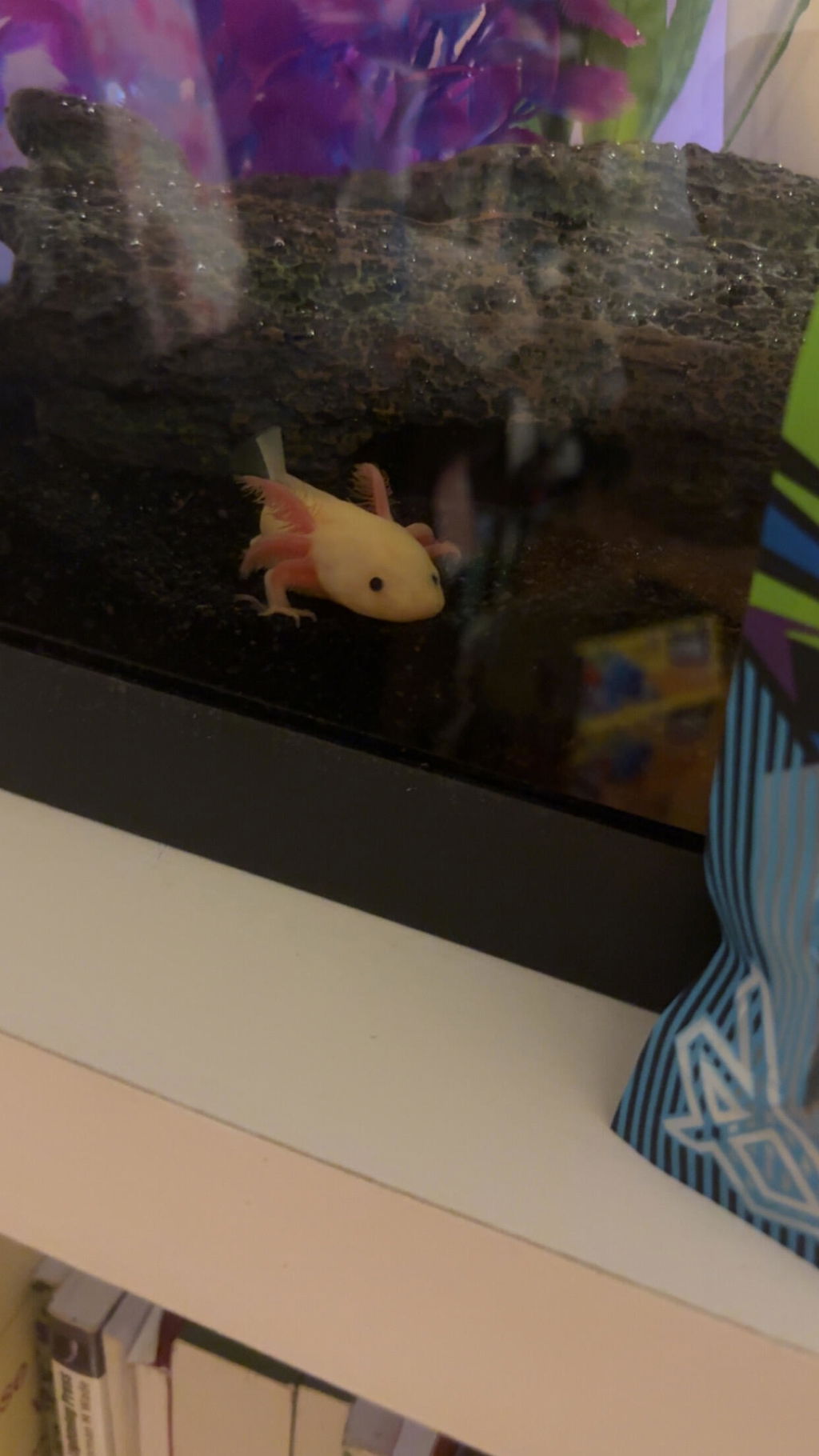
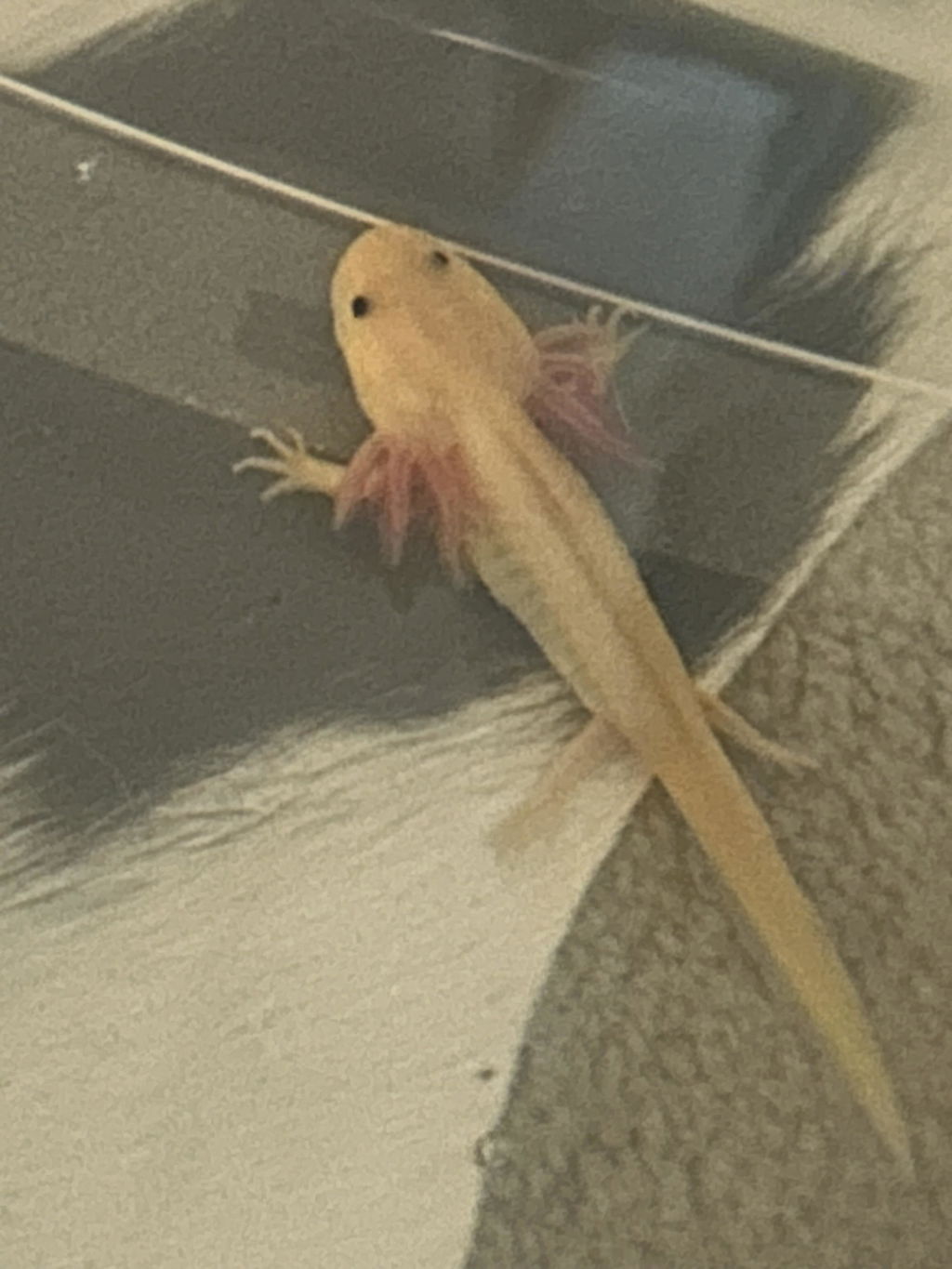
Axolotls are fascinating aquatic pets with specific care needs. Small errors in water quality, temperature, feeding, or tank setup may cause stress and health problems over time.
Learning the most common axolotl care mistakes can help you create a safer aquarium and recognize concerns early.
Quick Guide to Common Axolotl Care Mistakes
|
Care Mistake |
Possible Result |
Prevention |
|
Using an uncycled tank |
Ammonia or nitrite exposure |
Cycle the aquarium before adding an axolotl |
|
Keeping water too warm |
Stress and reduced appetite |
Maintain cool, stable water |
|
Using unsafe gravel |
Impaction risk |
Use fine sand or a bare tank floor |
|
Overfeeding |
Waste buildup and obesity |
Follow an age-appropriate feeding schedule |
|
Poor water testing |
Hidden water problems |
Test water regularly |
|
Excessive handling |
Skin and gill damage |
Handle only when necessary |
1. Adding an Axolotl to an Uncycled Tank
A new aquarium may look clean, yet it lacks the beneficial bacteria needed to process waste. Axolotls release ammonia, which can quickly reach harmful levels in an uncycled tank.
Complete the nitrogen cycle before bringing your axolotl home. Use a liquid test kit to confirm that ammonia and nitrite read 0 ppm and nitrate remains manageable.
2. Allowing the Water to Become Too Warm
Axolotls need cool water. Warm conditions can cause stress, curled gills, reduced appetite, fungal growth, and a greater risk of illness.
Keep the aquarium away from windows, heaters, and direct sunlight. Monitor the temperature with a reliable thermometer. Aquarium fans or a chiller may be needed during warm seasons. Sudden temperature changes can also create stress.
3. Using Gravel or Small Stones
Axolotls often swallow material from the tank floor when eating. Gravel and small stones may become trapped in the digestive system and cause impaction.
Safe flooring choices include:
- A bare aquarium floor
- Fine aquarium sand for larger juveniles and adults
- Large, smooth stones that cannot fit inside the axolotl’s mouth
Decorations should have smooth edges and remain firmly positioned.
4. Ignoring Water Test Results
Clear water can still contain ammonia, nitrite, or excessive nitrate. Visual appearance does not confirm that water is safe.
Test the aquarium regularly and record the results. Partial water changes can help manage nitrate and remove waste. Always use a water conditioner that treats chlorine and chloramine.
5. Creating Strong Water Flow
Axolotls prefer calm water. Powerful filters and fast currents may cause stress, forward-curled gills, or difficulty resting.
Choose a sponge filter or a filter with adjustable flow. A spray bar or filter baffle can reduce current strength. Watch your axolotl’s behavior after any equipment change.
6. Feeding the Wrong Food
A poor diet can affect growth, digestion, and body condition. Earthworms are widely used as a nutritious staple. Quality axolotl or carnivore pellets may also be suitable.
Avoid relying on feeder fish because they may carry parasites or disease. Freeze-dried foods can be difficult to digest and may lack needed moisture. Remove uneaten food promptly to protect water quality.
7. Feeding Too Much or Too Little
Feeding needs change with age and size. Juveniles usually eat more frequently because they are growing quickly. Adults may need fewer meals.
Watch body condition rather than relying only on a rigid schedule. The body should usually be close to the width of the head. A thin body may signal underfeeding, illness, or digestive trouble. Excess weight can create health concerns and more aquarium waste.
8. Keeping Incompatible Tank Mates
Fish may nip an axolotl’s gills, compete for food, or carry parasites. Axolotls may also swallow smaller tank mates.
Housing axolotls together requires similar size, adequate space, sufficient hides, and close feeding supervision. Young axolotls may nip each other during feeding. A species-only aquarium is often easier to manage.
9. Handling the Axolotl Frequently
Axolotls have delicate skin and a protective slime coat. Frequent handling can damage this barrier and increase stress.
Use a container to move an axolotl when possible. Wet, clean hands may be used during an emergency transfer, and contact should remain brief. Never use soap, lotion, or sanitizer before touching aquarium water or the animal.
10. Missing Early Signs of Stress or Illness
Axolotls may show subtle changes before a health problem becomes severe. Daily observation can help you notice concerns quickly.
Warning signs may include:
- Loss of appetite
- Persistent floating
- Curled gill stalks
- A tightly curled tail tip
- Cotton-like growth
- Skin sores or unusual redness
- Rapid weight loss
- Frequent surface gulping
Check water quality and temperature first when behavior changes. Contact an aquatic or exotic animal veterinarian for persistent or serious symptoms.
Build a Consistent Axolotl Care Routine
Good axolotl care depends on preparation and steady aquarium maintenance. Cycle the tank, monitor water conditions, provide suitable food, limit handling, and observe your axolotl each day.
A calm environment and consistent routine support healthy gills, normal feeding, comfortable movement, and long-term well-being.