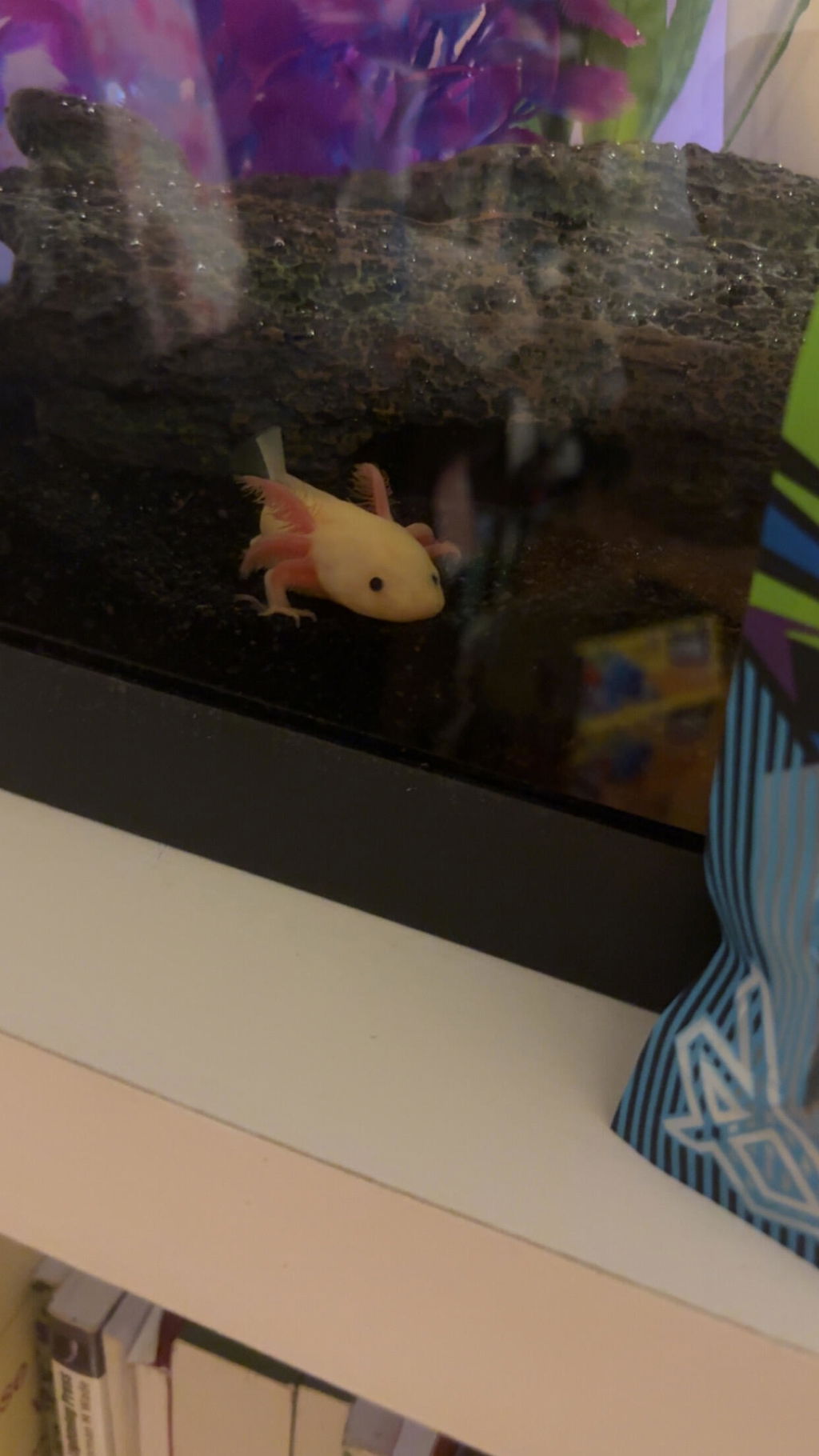
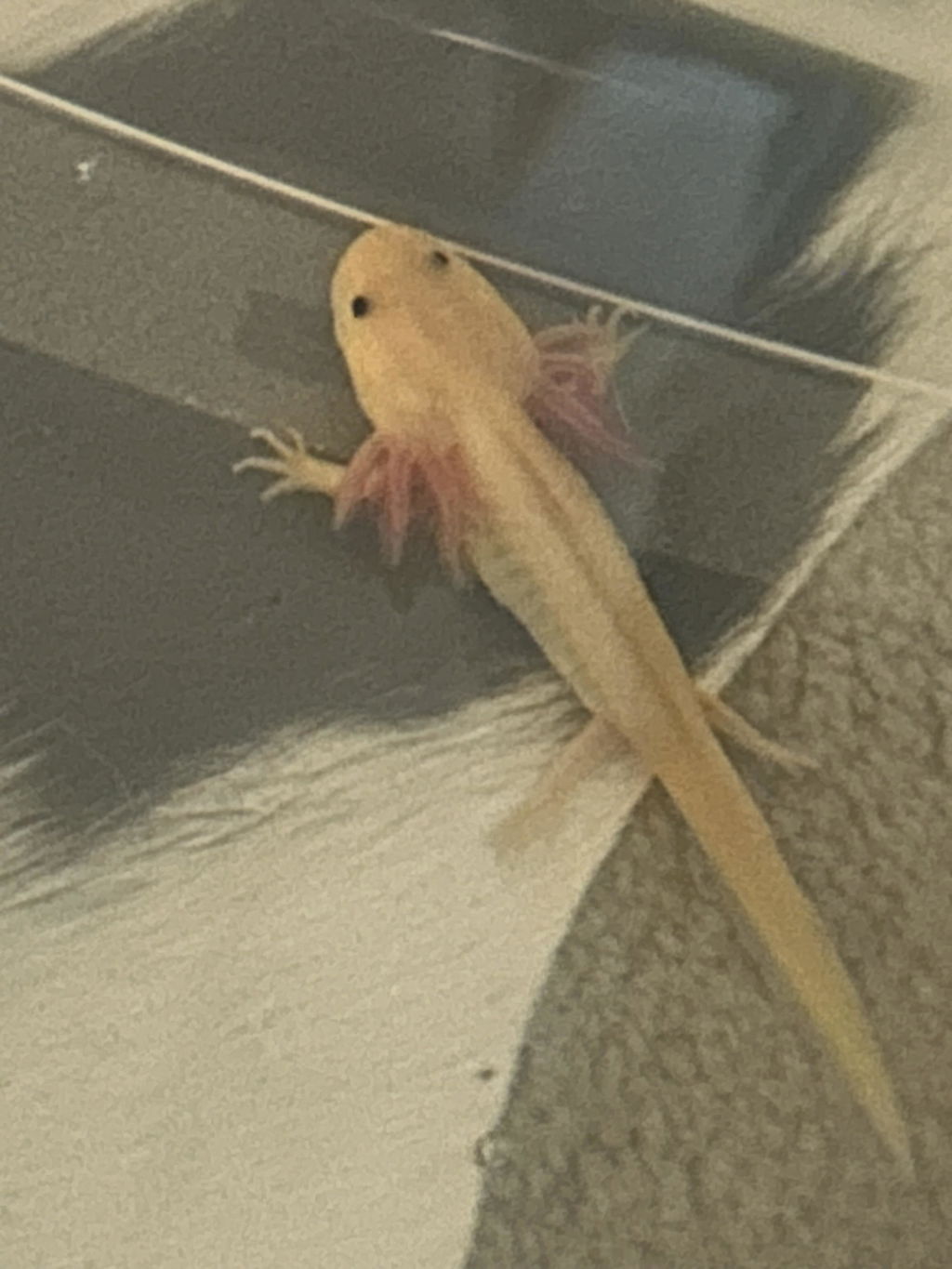
Most pet axolotls remain aquatic throughout life and keep juvenile features such as external gills. When people say an axolotl has “morphed,” they usually mean it has undergone metamorphosis—a major developmental change from the typical aquatic axolotl form toward a more terrestrial salamander-like form.
Do axolotls normally metamorphose?
Axolotls (Ambystoma mexicanum) are paedomorphic salamanders, which means they normally retain larval traits into adulthood instead of completing the kind of metamorphosis seen in many other amphibians. Scientific studies show that metamorphosis can be induced experimentally with thyroid hormones, but that is not the normal outcome for a typical pet axolotl.
What changes when an axolotl morphs?
During induced metamorphosis, researchers have documented major changes including reduction and resorption of the external gills, tail fin and dorsal fin structures, along with broader changes in skin and body form.
Why would an axolotl metamorphose?
Metamorphosis in axolotls is closely connected with thyroid-hormone signaling. Research has shown that externally supplied thyroid hormones such as T4 or T3 can trigger metamorphic changes. Because this is a complex endocrine process, it should not be intentionally attempted as a home experiment.
Is a “morphed axolotl” a different color morph?
No. This is an important terminology difference. In the axolotl hobby, the word morph is also used to describe color and genetic appearance—such as leucistic, melanoid, copper, albino, GFP or mosaic. That is completely different from metamorphosis.
If you were looking for color varieties instead, read our complete axolotl morph and color guide.
What should I do if my axolotl looks like it is losing its gills?
Do not assume metamorphosis based on one sign alone. Gill shrinkage, appetite changes, body condition changes or abnormal behavior can also be associated with water quality, temperature, stress or illness. Check the aquarium conditions first and contact an experienced exotic or aquatic veterinarian if significant physical changes continue.
Review our axolotl care guide and water temperature guide for basic husbandry checks.